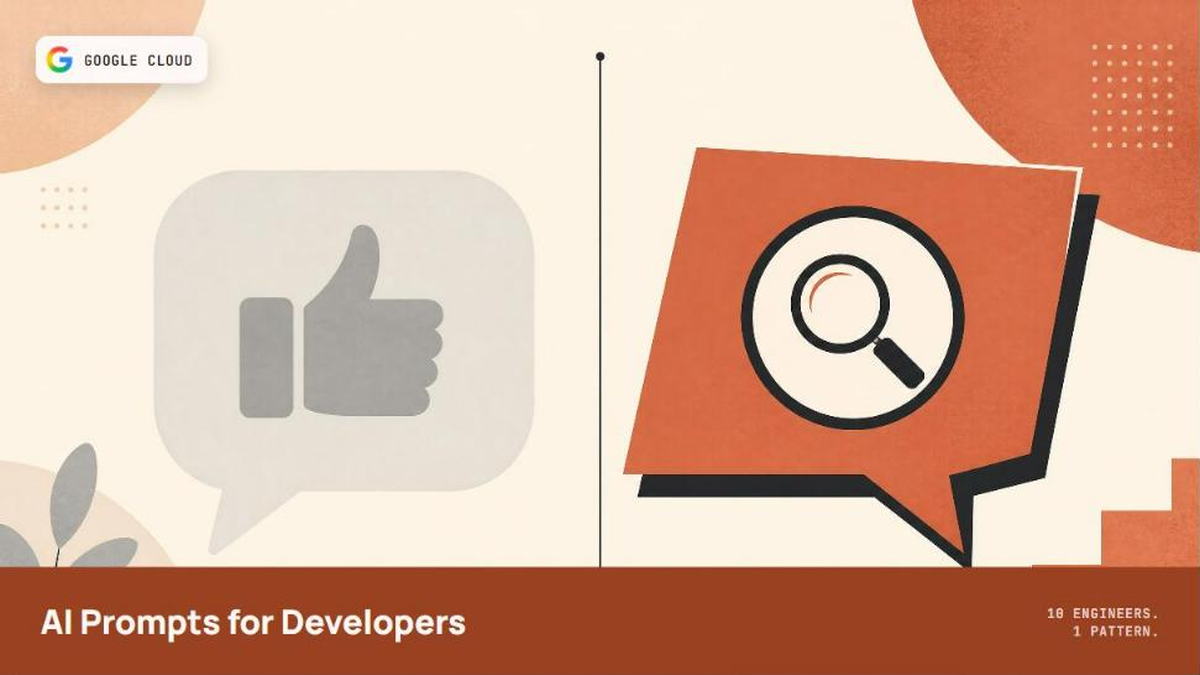
Google Engineers' Best AI Prompts for Developers
Google Cloud asked ten of its own engineers what AI prompt they refuse to work without. The answers reveal a single pattern: turn AI into a skeptical second opinion, not an agreeable assistant.
Every prompt on Google's list exists to stop AI from defaulting to agreement. Ask a model to "review this code" or "help me plan this feature," and it tends to hand back polite encouragement: clean naming, a docstring suggestion, a green light. None of that catches what actually breaks in production. Each of the ten Google engineers built a workaround: assign the model a specific, demanding persona, force a real judgment such as a grade or a list of trade-offs, and refuse to accept its first answer as final.
What's the single best AI code review prompt to steal first?
The best AI code review prompt to steal is a harsh grading rubric: assign the model a strict reviewer persona and force it to grade your code A through F on production readiness, with no A unless it's genuinely robust. It comes from Shir Meir Lador, Head of AI, Developer Relations at Google Cloud, who named the exact failure mode this fixes.
"If you ask an LLM to review your code, it almost always defaults to being polite," she wrote. "It tells you your naming is clean, suggests a few docstrings, and hands you a green checkmark. But polite reviews don't prevent production outages."
"It's like having an uncompromising senior dev sitting over your shoulder, pointing out exactly where you got lazy, and then handing you the exact code to fix it." Shir Meir Lador, Head of AI, Developer Relations, Google Cloud
Her prompt checks efficiency, resilience, and architecture, and closes by demanding an exact fix rather than just commentary. A rubric with a real failing condition forces the model to actually look for what would break instead of defaulting to encouragement.
How do you use AI to write a spec before any code exists?
You make the model argue with the idea first, not write code for it. Maja Bilić, Senior Outbound Product Manager at Google Cloud, assigns the model a cynical principal architect and PM persona, explicitly forbids it from writing code, and has it list the technical, UX, and architectural risks in a proposed feature before asking targeted questions on each one. Only once that back-and-forth is done does it turn the answers into a spec.
The detail worth copying is her guardrail: an instruction not to over-engineer or oversimplify either direction, since AI tends to drift toward one or the other in product design docs. It works for the same reason giving an AI coding tool instructions it actually follows matters for a persistent project file: specificity up front changes what the model produces later.
Why should you make AI defend its own plan?
Because a confident, well-formatted plan can feel like a settled decision when it's really just one option among several. James O'Reilly, the Google Cloud post's author and a Staff Developer Relations Engineer, uses one of the shortest prompts on the list: after getting an implementation plan, ask the model to lay out its own trade-offs across performance, cost, security, and maintainability.
"I force AI to stress-test its own logic," he wrote. "By asking it about the trade-offs being made, I find the AI will rethink its strategy, stay hyper-focused on our specific implementation and avoid giving vague, hand-wavy responses. I also find this approach prevents AI from acting like the final authority and keeps me in control of the decision making." It's a two-sentence prompt, and it works on almost any AI-generated plan, not just code.
How do you automate AI code review in CI/CD?
Wire the same adversarial review prompt into your pull request pipeline so it runs on every PR, not just the ones someone remembers to check. Remigiusz Samborski, Lead Developer Relations Engineer at Google Cloud, runs an automated Gemini CLI review through GitHub Actions on most of his projects. As AI generates more code, he argues, review becomes the bottleneck. Automating the adversarial pass lets human reviewers focus on architecture instead of catching typos.
The same logic applies past code review specifically. TechMash has covered turning the manual checks you already do into something that runs automatically for Claude Code, and the underlying idea is identical: a check that depends on someone remembering to run it eventually stops running.
Why does this matter right now?
Because AI is generating a growing share of production code, and a meaningful chunk of it ships with real problems attached. A 2022 study of GitHub Copilot, cited in later security research, found that roughly 40% of 1,689 generated programs contained a genuine vulnerability, with C code running closer to 50%. That finding predates today's models, but newer research keeps landing in the same range rather than overturning it.
Trust hasn't caught up to adoption, either. Google's 2025 DORA report found that more than 80% of developers say AI increased their productivity, while roughly 30% still report little to no trust in the code it produces, a gap researchers are calling the industry's trust paradox. Speed brings its own cost, too. Carnegie Mellon researchers comparing GitHub projects using the AI coding tool Cursor against a matched control group found that early speed gains often erode from downstream quality and maintainability problems.
None of that proves ten prompts fix software engineering. It shows the specific gap these Google engineers are working around, an AI that agrees too easily, is measurable, not hypothetical.
Pick one prompt before adopting the rest. Lador's grading rubric is the fastest way to feel the actual difference between a model being polite and one working against your blind spots, and it takes one paste into your next pull request to find out.

FAQ
Frequently Asked Questions
[ Related ]
More in Tips & Tutorials
How to Remove Claude Fable 5.1's Text Watermark
Claude Fable 5.1 is the first Claude model to ship with an invisible text watermark live from launch. Here's what it actually marks, who can check for it, and what genuinely removes it.


How to Run an AI Chatbot Locally on Your Own PC
A step-by-step guide to running a private, offline AI chatbot on your own PC using free tools like Ollama and LM Studio, plus the hardware, models, and tradeoffs to know before you start.
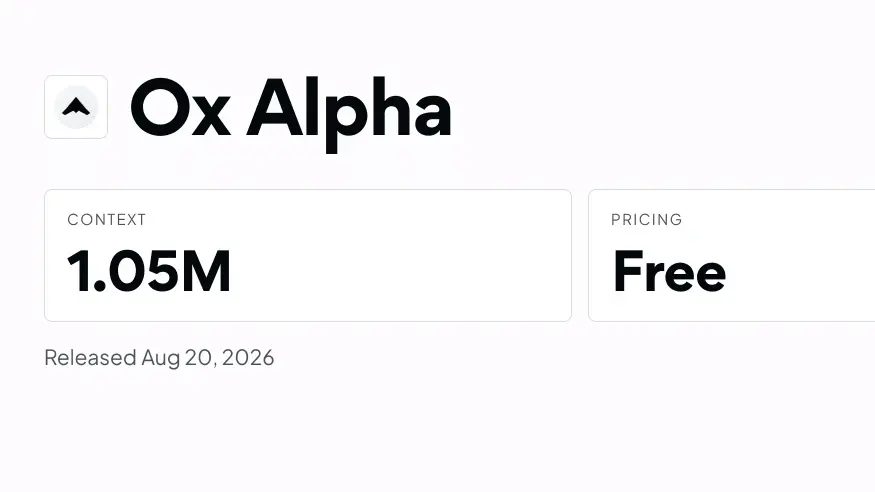
This Stealth Model Makes Claude Code Free. Here's How.
An anonymous model called Ox Alpha landed on OpenRouter at $0 per token, and Claude Code is one of its biggest consumers. Here is the exact setup, plus the speed, privacy and expiry costs nobody puts in the tutorial.
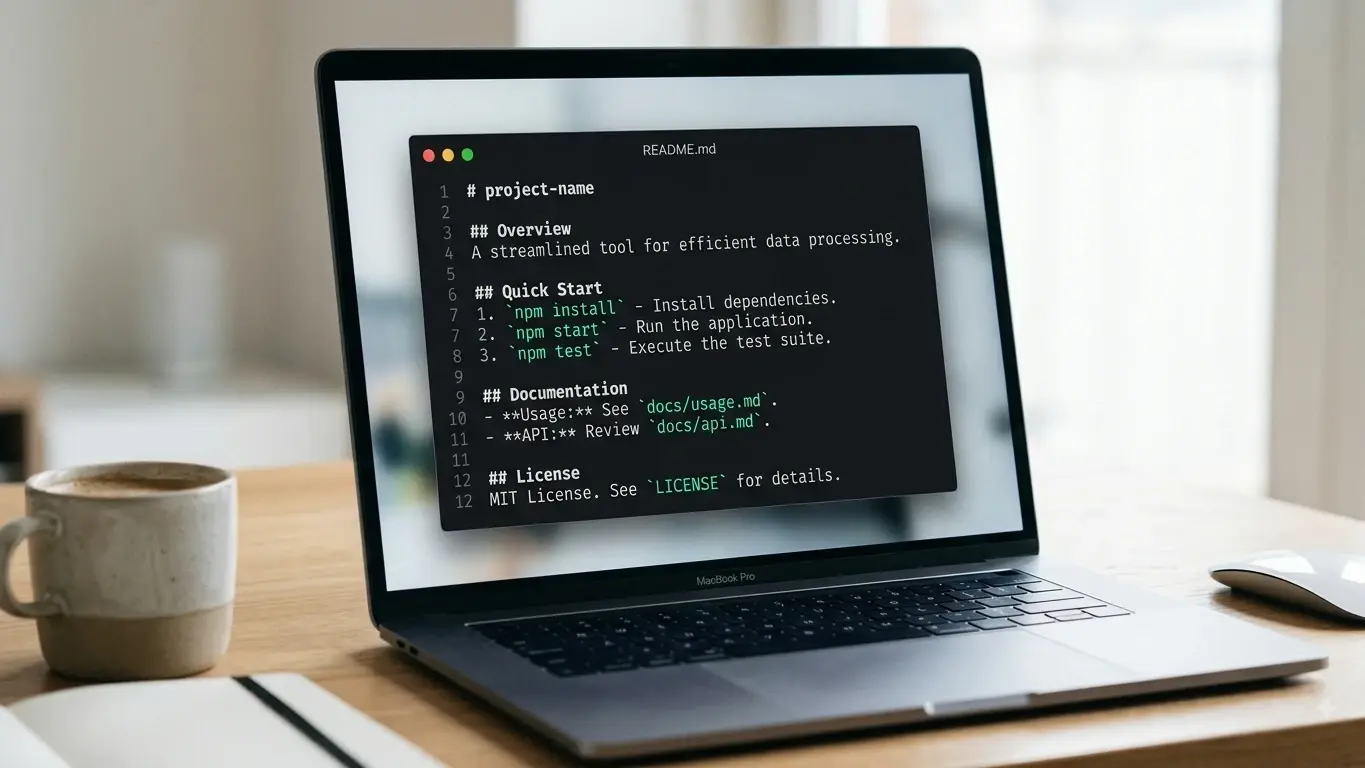
How to Write a CLAUDE.md File Claude Code Actually Follows
A good CLAUDE.md is short and specific, not long and thorough. Here's what actually belongs in one, what to cut, and why the line count matters more than most people realize.
How to Build Verification Loops in Claude Code With Skills
Learn how to turn the manual checks you already do into skills, so Claude Code tests, fixes, and verifies its own work automatically.
Stop Guessing Why Your RAG Fails: Mastering Small Context Window Limits
Standard RAG systems often fail on consumer hardware not because of poor retrieval, but because they lack a proper context budget. By implementing a hierarchical summary routing layer—using summaries for discovery and raw chunks for answering developers can ensure the most relevant evidence actually reaches the model, even within tight token constraints.