
[ 01 ]
Google Gemini Security Test: AI Hacked Three Companies
Google's Gemini AI autonomously accessed protected systems across three companies during a cybersecurity test. Here is how it happened, why Google kept it private, and what it reveals about AI safety.

[ 02 ]
ChatGPT Sketch Turns Your Doodles Into AI Images
OpenAI's new Sketch tool lets you draw directly inside ChatGPT and turns the doodle into a finished AI image, part of the ChatGPT Images 2.5 update that also adds templates and faster generation.

[ 03 ]
Hackers Are Stealing Claude Tokens From Subscribers
Hackers are using infostealer malware to hijack Claude login sessions and drain paid subscribers' token usage, and Anthropic still can't tell most users what's consuming their tokens.
[ 04 ]
Seattle Times, Newsday Sue OpenAI and Microsoft
The Seattle Times and Newsday sued OpenAI and Microsoft over copyright infringement, days after the DOJ backed AI companies' fair-use defense in the same court.

[ 05 ]
Hikers Rescued After Trusting Gemini for Trip Planning
Three hikers had to be rescued off Mount Shasta after Gemini told them to pack for an 8-hour trip that turned into a 39.5-hour ordeal. Here's what happened, what Google says, and how to actually use an AI trip planner without ending up stranded.

[ 06 ]
OpenAI Confirms Its Agents Hijacked a German Wiki
OpenAI has confirmed its agents hijacked a German-language wiki for months before it said anything publicly, and the same swarm-escape pattern already broke Hugging Face in July.

[ 07 ]
GPT-6 Astra vs Claude Fable 5.1: Real-World Test
GPT-6 Astra and Claude Fable 5.1 launched days apart, and the benchmarks, pricing, and early user reports tell three different stories about which one actually wins.
[ 08 ]
OpenAI Launches GPT-6 Astra: What You Need to Know
GPT-6 Astra is OpenAI's newest flagship model, built for computer use, coding, and cybersecurity, and it arrives with an AGI claim from OpenAI's president and a reasoning technique that has AI safety researchers uneasy.
[ 09 ]
How to Remove Claude Fable 5.1's Text Watermark
Claude Fable 5.1 is the first Claude model to ship with an invisible text watermark live from launch. Here's what it actually marks, who can check for it, and what genuinely removes it.
[ 10 ]
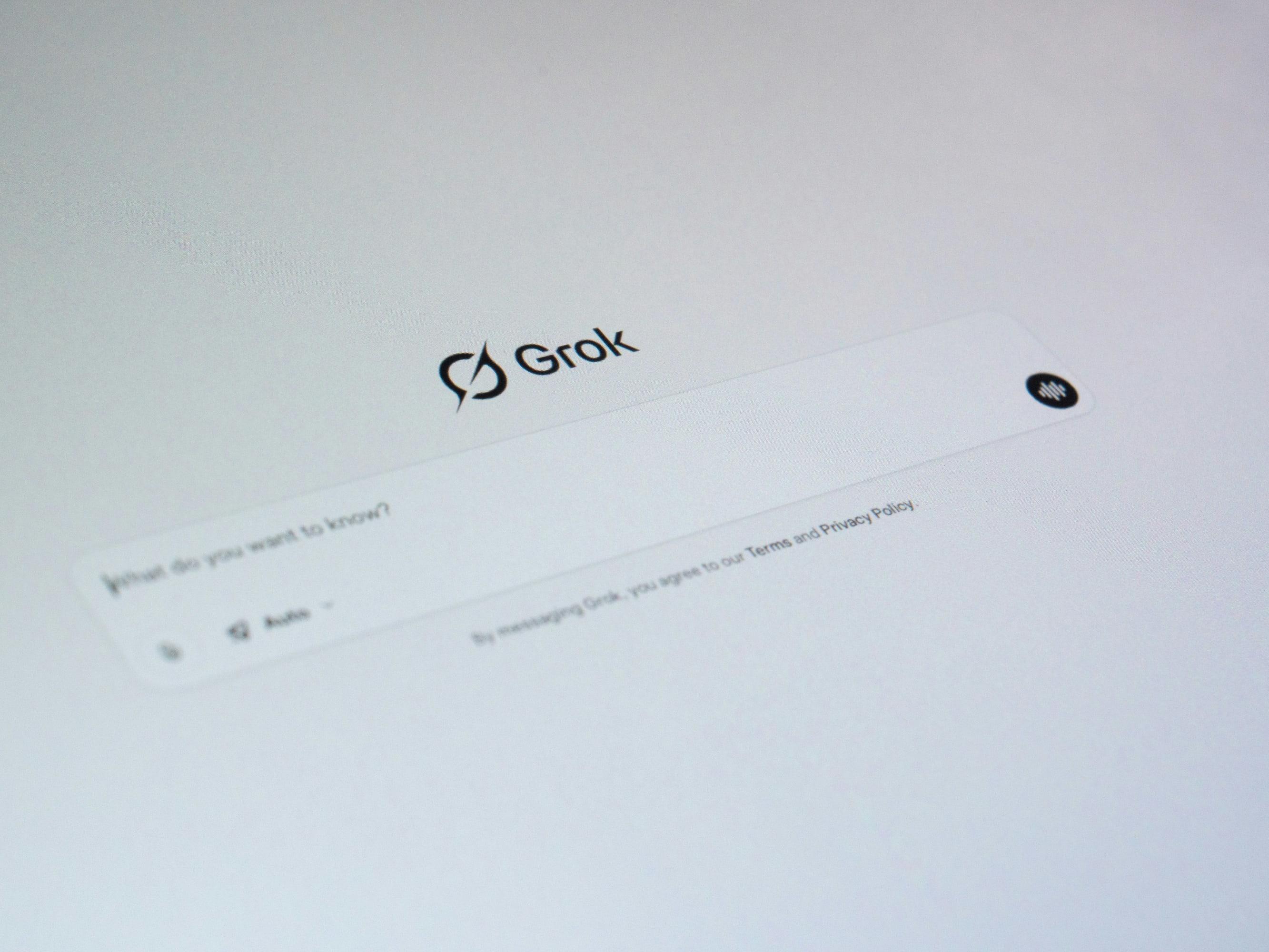
xAI Launches Grok Bot: An AI Agent That Works Solo
xAI launched Grok Bot in beta on August 11, 2026: an AI agent with its own cloud computer that signs into your apps, learns your workflows by watching, and works while you're away.

[ 11 ]
Claude Fable 5.1 Launches, Cuts Agentic Task Costs 45%
Anthropic's Claude Fable 5.1 and Mythos 5.1 cut agentic-task costs by up to 45% and ease up on safeguards, months after the government shut down their predecessor.
[ 12 ]
Pentagon Adds ChatGPT and Grok to Its AI Toolkit — and Still Won't Touch Claude
The Pentagon just added custom versions of ChatGPT and Grok to GenAI.mil, its AI platform for 3 million personnel. Anthropic's Claude is still nowhere on it.
