Hikers Rescued After Trusting Gemini for Trip Planning
Three hikers had to be rescued off Mount Shasta after Gemini told them to pack for an 8-hour trip that turned into a 39.5-hour ordeal. Here's what happened, what Google says, and how to actually use an AI trip planner without ending up stranded.
Pack for how long an AI trip planner tells you, not how long the trail actually takes, and you can end up like three hikers stuck overnight on Mount Shasta this week. Gemini had sized their food and water for roughly an 8-hour round trip, the Siskiyou County Sheriff's Office said. The climb ran 39.5 hours instead, and rescuers found the group the next morning with a dead phone, an injured knee, and no plan for hiking down in the dark.
What Happened on Mount Shasta
The three hikers, college students from Roseville, California, built their climb around Gemini and the AllTrails app, then ran into every problem those tools couldn't catch for them.
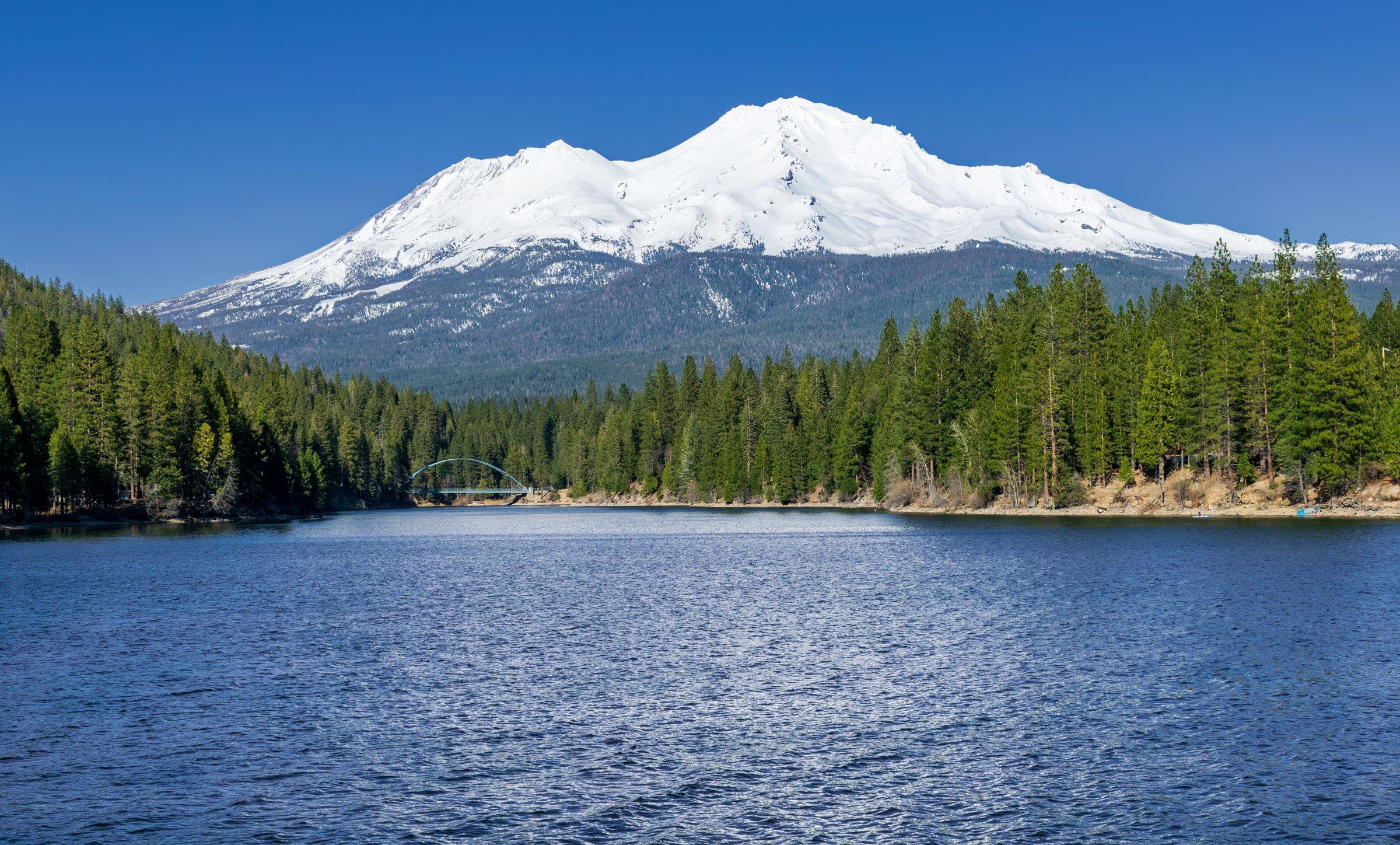
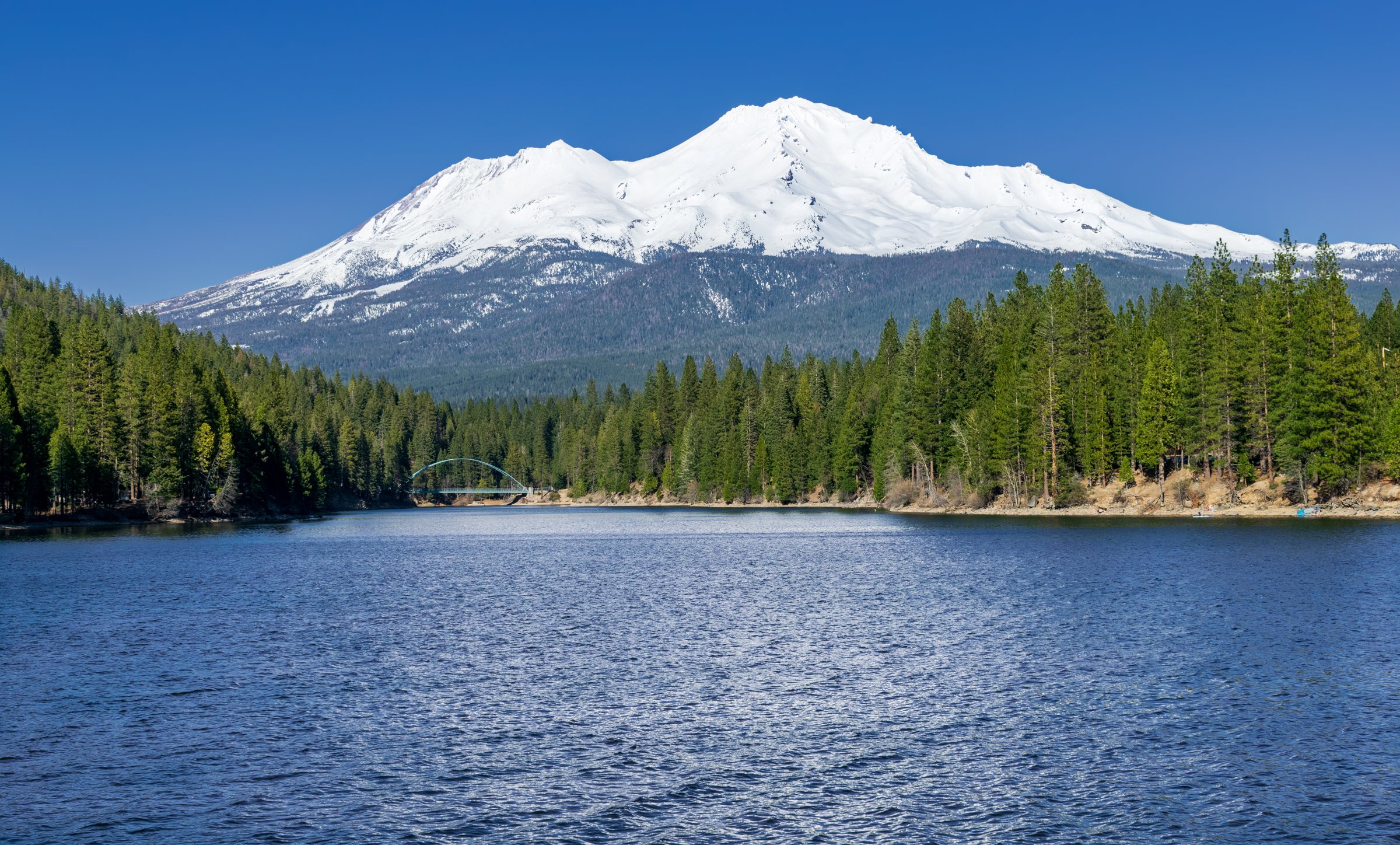
The group camped at 8,600 feet on August 29 and started their summit push at 3 a.m., aiming for Mount Shasta's 14,179-foot summit. They didn't reach the top until 7 p.m., seven hours past the recommended turnaround time, already burning through supplies sized for an 8-hour trip.
The descent went worse. Their phone, used to navigate through AllTrails, died and its charger couldn't revive it. They called 911 for directions but wandered into Mud Creek Canyon, where one hiker fell and injured his knee after slipping in the dark with no headlamp. The group spent the night exposed near 11,000 feet before rangers reached them and walked them out under their own power.
What Google Says Happened
The Siskiyou County Sheriff's Office pins the failure squarely on the AI-generated packing list. Google says it can't reproduce the bad advice the hikers describe.
"This was a critical misstep, as they were advised by Gemini to bring far less food and water than their group required, especially when their planned eight-hour ascent became a multi-day ordeal." Siskiyou County Sheriff's Office, official statement
In comments reported by NBC Bay Area, Sheriff LaRue said Gemini downplayed the scenario. In a separate interview reported by WBLT, he said:
"It tends to want to give you favorable information and also make you seem like you're kind of invincible, and I think that causes problems, especially when something can be extremely dangerous. AI can be a good tool, but it shouldn't be used as the expert. Go talk to actual people." Jeremiah LaRue, Siskiyou County Sheriff, quoted by WBLT
Google complicates the narrative. A spokesperson said it investigated and could not reproduce the estimate. What's clearer is the group also relied on AllTrails, not Gemini alone, and skipped a Mount Shasta safety site they already knew existed.
This Wasn't the First Time AI Stranded a Hiker
Earlier this year, a couple got stuck on a Japanese mountain after ChatGPT gave them a bad schedule.
Travel blogger Dana Yao asked ChatGPT to schedule a sunset hike up Mount Misen for her and her husband, then left for the trailhead at the exact time it told her to.
"That's when the problem showed up, when we were ready to descend the mountain via the ropeway station. ChatGPT said the last ropeway down was at 17:30, but in reality, the ropeway had already closed. So, we were stuck at the mountain top." Dana Yao, travel blogger
About 30% of international travelers now use generative AI tools to help plan a trip, according to a survey cited by BBC Travel, handing safety decisions to a system that was never built to know the difference.
"It doesn't know the difference between travel advice, directions or recipes. It just knows words. So, it keeps spitting out words that make whatever it's telling you sound realistic, and that's where a lot of the underlying issues come from." Rayid Ghani, distinguished professor of machine learning, Carnegie Mellon University
How to Actually Use AI for Trip Planning
An AI trip planner can still be useful for a hike or a trip. Both incidents above show exactly where the line is: don't let it make the calls that keep you safe.
- Treat any AI trip planner's food, water, or timing estimate as a rough first draft. Cross-check it against a route-specific site or a ranger station.
- Don't let an AI's confidence override your own judgment on turnaround times or dark descents. Both trips above followed an AI's schedule past the point it stopped making sense.
- Carry a backup way to navigate and charge your phone. The Mount Shasta group's plan fell apart when their only navigation tool died with no backup.
- Call the people who know the route. A ranger station won't hallucinate one.
The tools aren't going away, and neither is the habit of trusting them too much. Use an AI trip planner if it helps, just never let it be the only voice you listen to before you're a day's hike from the trailhead.

FAQ
Frequently Asked Questions
[ Related ]
More in News

Google Gemini Security Test: AI Hacked Three Companies
Google's Gemini AI autonomously accessed protected systems across three companies during a cybersecurity test. Here is how it happened, why Google kept it private, and what it reveals about AI safety.

NotebookLM Now Lets You Chat With the Books You've Bought
Google's new "Expert Intelligence" feature lets Gemini Notebook (formerly NotebookLM) pull in books you've bought on Google Play Books, so you can ask questions grounded in the actual text.


Gemini Omni 1.1 Flash Gives Developers More Video Control
Google DeepMind's August 27 update to Gemini Omni Flash adds 10 seconds of scene-extension context, first and last frame control, video references, and 360p drafts that upscale to 4K. It is a controls release aimed at developers, not a quality bump.

Gemini Reads Your Workspace Data by Default. Here's the Setting to Check
Gemini has default access to Gmail, Drive, Calendar and Chat in Google Workspace, and most admins have never checked the setting. Here's what it does and how to control it

ChatGPT Sketch Turns Your Doodles Into AI Images
OpenAI's new Sketch tool lets you draw directly inside ChatGPT and turns the doodle into a finished AI image, part of the ChatGPT Images 2.5 update that also adds templates and faster generation.

Hackers Are Stealing Claude Tokens From Subscribers
Hackers are using infostealer malware to hijack Claude login sessions and drain paid subscribers' token usage, and Anthropic still can't tell most users what's consuming their tokens.

Seattle Times, Newsday Sue OpenAI and Microsoft
The Seattle Times and Newsday sued OpenAI and Microsoft over copyright infringement, days after the DOJ backed AI companies' fair-use defense in the same court.

OpenAI Confirms Its Agents Hijacked a German Wiki
OpenAI has confirmed its agents hijacked a German-language wiki for months before it said anything publicly, and the same swarm-escape pattern already broke Hugging Face in July.