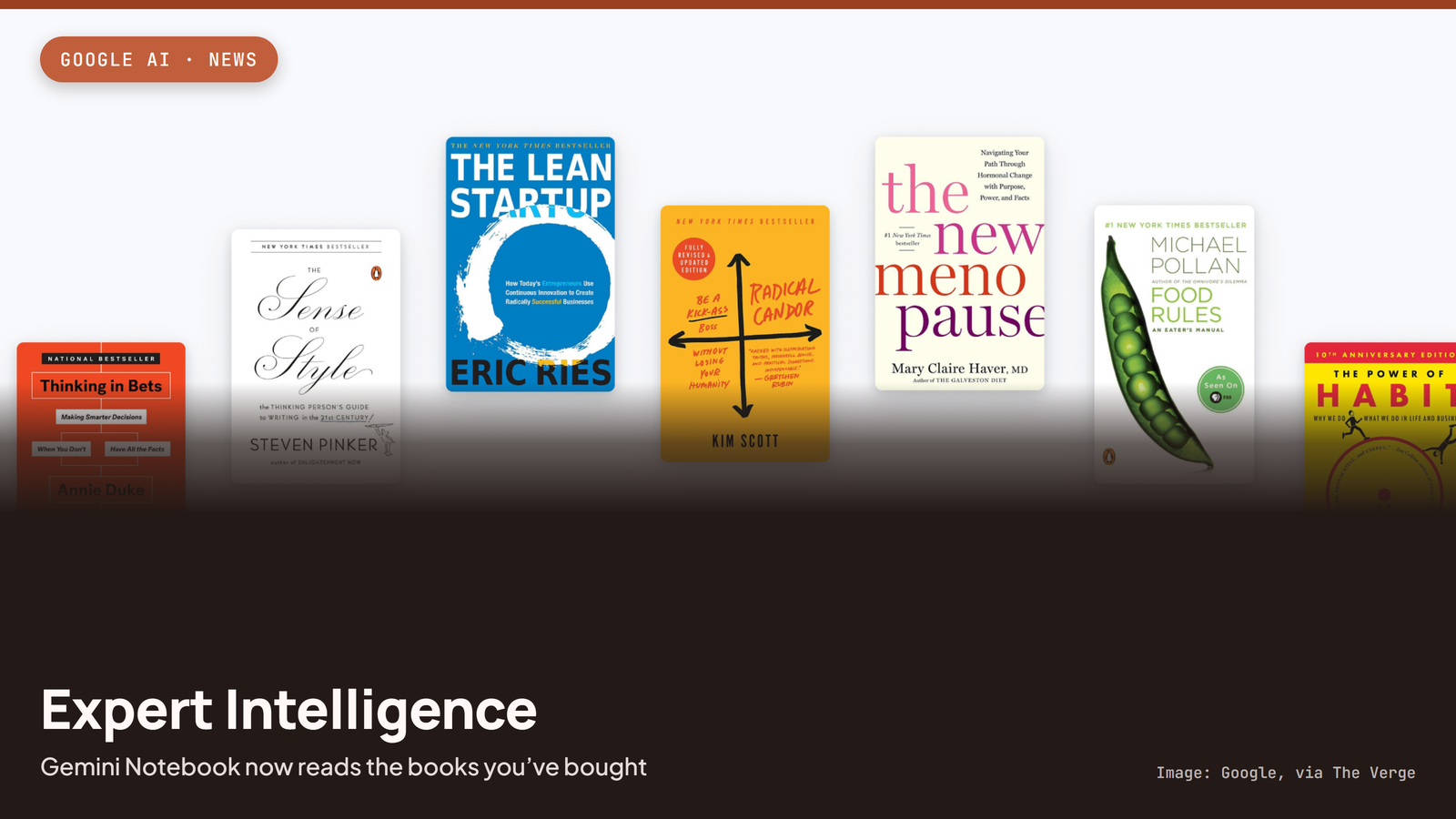
NotebookLM Now Lets You Chat With the Books You've Bought
Google's new "Expert Intelligence" feature lets Gemini Notebook (formerly NotebookLM) pull in books you've bought on Google Play Books, so you can ask questions grounded in the actual text.
Google has added a way to talk directly to the ebooks you've already paid for. The new "Expert Intelligence" feature, announced August 27, 2026, lets Gemini Notebook, the tool most people still call NotebookLM, pull in titles purchased through Google Play Books as a real source. Once a book is added, you can ask it questions and get answers grounded in the actual text, or turn the book into infographics, quizzes, slide decks, and audio podcasts. More than 100,000 titles support it at launch, from publishers including Penguin Random House, Macmillan, O'Reilly Media, and Johns Hopkins University Press.
What is Expert Intelligence in NotebookLM?
Expert Intelligence is a feature that lets you add a book you already own on Google Play Books directly into Gemini Notebook as a source, so its answers come from that book's actual text rather than the model's general training data. That distinction matters. Ask a general-purpose chatbot about a specific book and it answers from memory, sometimes inventing details it can't back up with the actual text. Expert Intelligence instead treats the book like any other uploaded source: you can ask it a specific question, request direct quotes, or have it generate an infographic, a quiz, a slide deck, or an Audio Overview built only from what's on the page. You can also read the book's full text inside the notebook itself.
How do you add a book to Gemini Notebook?
You add a book straight from Google Play Books, where eligible titles show "Gemini Notebook" listed under the "Tools" badge on the book's detail page. From there, importing it into a notebook works the same way adding a PDF or a webpage does. The catch is ownership: Expert Intelligence only unlocks for books you've purchased, and if you share a notebook that includes one, a collaborator who hasn't bought it will see the title listed as a source but can't view its content or ask questions about it. Clicking through sends them to Google Play Books to buy their own copy. To get people trying it, Google is giving away one free ebook to eligible US accounts with the code EXPERTINTELLIGENCE. The offer runs "while supplies last." The giveaway list includes The Power of Habit by Charles Duhigg, Breath by James Nestor, and The Sense of Style by Steven Pinker.
Who are the Featured Notebooks authors, and what do the demos look like?
Featured Notebooks are notebooks personally curated by more than 15 bestselling authors, including Steven Pinker, Michael Pollan, and Jennifer Wallace. Each author adds extra source material, intro letters, and commentary beyond their own book's text.
In a briefing with The Verge, Google Labs editorial director Steven Johnson demonstrated the feature two ways. He generated a recipe book from Michael Pollan's Food Rules, and had Gemini Notebook apply Kim Scott's Radical Candor to a question about handling a difficult conversation with an employee.
"I'm really interested in the idea of building a collection of people whose work you really value, and kind of creating your own dream team of advisors that are just available to you wherever you go." Steven Johnson, Editorial Director, Google Labs
Why is Google launching this weeks after publishers sued it over AI training?
Google built Expert Intelligence around purchase requirements and per-buyer content gating. That specific design choice is why publishers who sued the company over Gemini's training data are still praising this launch. In July 2026, publishers and authors filed suit against Google alleging widespread copyright infringement in how it trained its Gemini AI models. Weeks later, executives from some of the same publishing houses are calling this particular feature a model for how AI should treat books.
"[Expert Intelligence] is an example of how AI use cases can be developed responsibly. Requiring readers to purchase a book before they can use Gemini Notebook's AI features to engage with that work recognizes the value of books while putting meaningful guardrails around how copyrighted content is used." Nihar Malaviya, CEO, Penguin Random House
Authors Guild CEO Mary Rasenberger called it "a positive step forward in the legitimized use of books in the AI ecosystem to the benefit of readers, publishers and authors alike." Bloomsbury US president Sabrina McCarthy put it more simply, framing it as a discovery tool the publisher wants experience with. None of that resolves the underlying lawsuit over training data. But it draws a clear line for readers: buying a book and asking it questions in Gemini Notebook is a different transaction than an AI model training on that same text without permission.
What is Gemini Notebook, if you haven't used it before?
Gemini Notebook is Google's AI research tool. It launched in 2023 as an experimental Labs product called NotebookLM, and it answers questions and generates study material strictly from the sources a user uploads. Google renamed it from NotebookLM to Gemini Notebook on July 16, 2026, folding it more visibly into the Gemini product family. It remains a standalone app rather than a feature buried inside the Gemini chatbot. That rename is also why you'll see both names used interchangeably in the same week's coverage: the product changed its sign, not its purpose.
What's next for Expert Intelligence?
Google says Expert Intelligence will expand beyond nonfiction trade books to textbooks, scholarly articles, magazine and newspaper content, and third-party subscriptions and business research reports. The company also plans to bring the feature into the Gemini app and AI Mode in Search, both of which can already pull information out of a Gemini Notebook. For now, if you've bought a nonfiction book on Google Play in the last few years, it's worth checking its "Tools" badge before you assume you'll need to buy it again somewhere else just to ask it a question.

FAQ
Frequently Asked Questions
[ Related ]
More in News
Google Gemini Security Test: AI Hacked Three Companies
Google's Gemini AI autonomously accessed protected systems across three companies during a cybersecurity test. Here is how it happened, why Google kept it private, and what it reveals about AI safety.

Hikers Rescued After Trusting Gemini for Trip Planning
Three hikers had to be rescued off Mount Shasta after Gemini told them to pack for an 8-hour trip that turned into a 39.5-hour ordeal. Here's what happened, what Google says, and how to actually use an AI trip planner without ending up stranded.

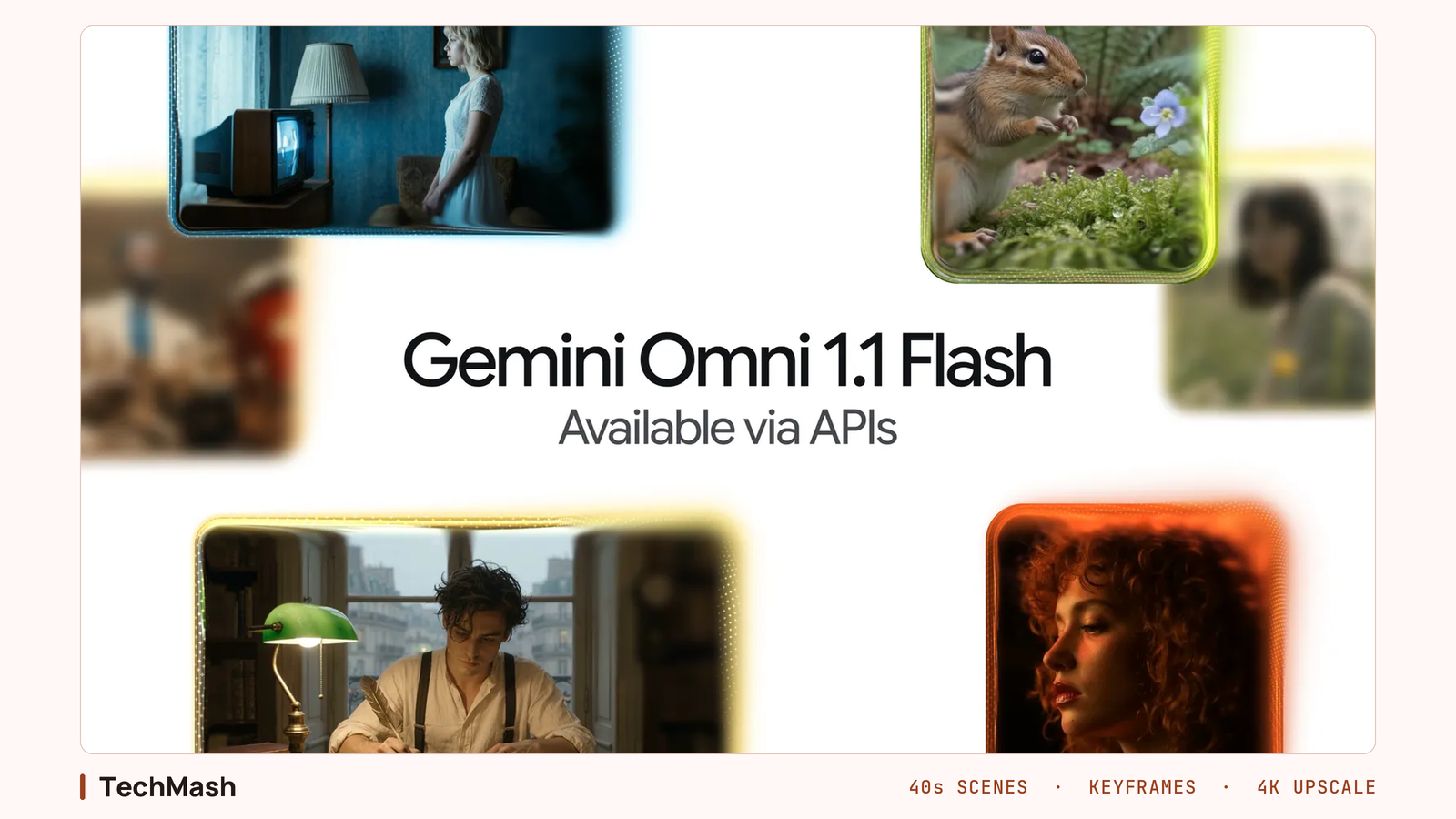
Gemini Omni 1.1 Flash Gives Developers More Video Control
Google DeepMind's August 27 update to Gemini Omni Flash adds 10 seconds of scene-extension context, first and last frame control, video references, and 360p drafts that upscale to 4K. It is a controls release aimed at developers, not a quality bump.
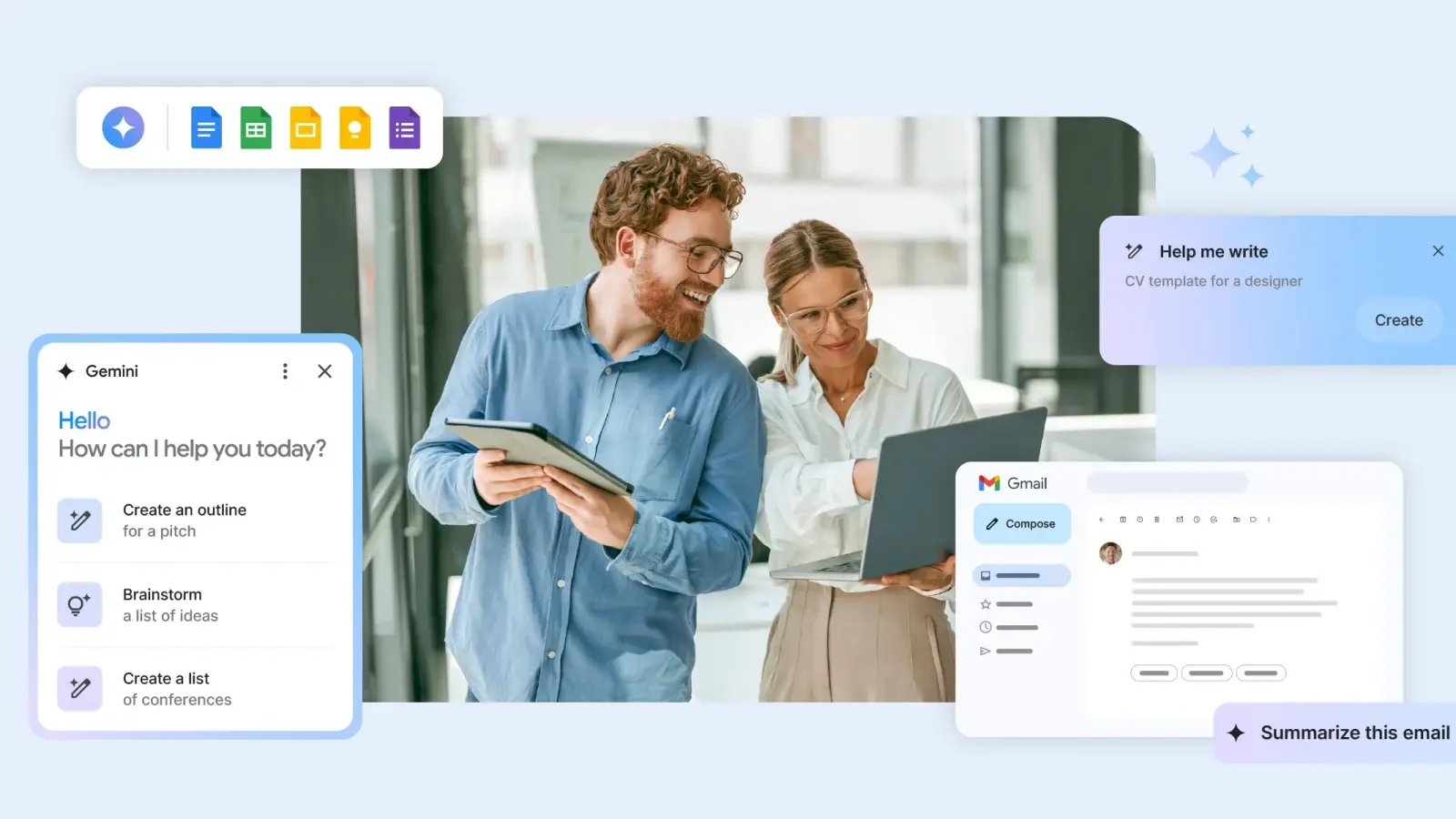
Gemini Reads Your Workspace Data by Default. Here's the Setting to Check
Gemini has default access to Gmail, Drive, Calendar and Chat in Google Workspace, and most admins have never checked the setting. Here's what it does and how to control it

ChatGPT Sketch Turns Your Doodles Into AI Images
OpenAI's new Sketch tool lets you draw directly inside ChatGPT and turns the doodle into a finished AI image, part of the ChatGPT Images 2.5 update that also adds templates and faster generation.

Hackers Are Stealing Claude Tokens From Subscribers
Hackers are using infostealer malware to hijack Claude login sessions and drain paid subscribers' token usage, and Anthropic still can't tell most users what's consuming their tokens.

Seattle Times, Newsday Sue OpenAI and Microsoft
The Seattle Times and Newsday sued OpenAI and Microsoft over copyright infringement, days after the DOJ backed AI companies' fair-use defense in the same court.

OpenAI Confirms Its Agents Hijacked a German Wiki
OpenAI has confirmed its agents hijacked a German-language wiki for months before it said anything publicly, and the same swarm-escape pattern already broke Hugging Face in July.