
Claude Fable 5.1 Launches, Cuts Agentic Task Costs 45%
Anthropic's Claude Fable 5.1 and Mythos 5.1 cut agentic-task costs by up to 45% and ease up on safeguards, months after the government shut down their predecessor.
Anthropic launched Claude Fable 5.1 and Claude Mythos 5.1 today. One number stands out: agentic tasks can now cost up to 45% less than on Fable 5. The launch also answers three complaints Anthropic has heard all year, on price, on how long it keeps customer data, and on safeguards that got in the way of harmless requests. The original Fable 5 barely lasted a few months before regulators stepped in. This relaunch is as much a comeback story as a spec bump.
What is Claude Fable 5.1?
Claude Fable 5.1 is Anthropic's newest flagship model for coding, knowledge work, and long, unattended agentic tasks. It ships today as a direct upgrade to Fable 5, not a rename. It runs on a 1 million token context window and can return up to 128,000 output tokens. It's available now on the Claude API, Amazon Bedrock, Google Cloud, and Microsoft Foundry. Anthropic built two versions from the same underlying model: Fable 5.1 for everyone, and a more permissive sibling called Claude Mythos 5.1 for vetted partners only.
"It's the strongest coding model we've used, but now it's fast, token-efficient, and crucially actually speaks like a normal person." Dan Shipper, CEO, Every
How much cheaper is Fable 5.1 than Fable 5?
For typical workloads, Fable 5.1 costs about 25% less than Fable 5. For complex, highly agentic work, the savings climb to roughly 45%, and the entire difference comes from one line item: cache reads. Anthropic cut cache-read pricing by 75%, to $0.25 per million tokens, while base pricing stays the same at $10 per million input tokens and $50 per million output tokens. Cache reads on Fable 5.1 now cost a quarter of the standard rate Anthropic charges on its other Claude models, which matters most for agents that reread the same long context hundreds of times in a single run.
"We're moving our Opus 5 traffic in Devin to Claude Fable 5.1 on launch day. It matched or edged out Fable 5 in our testing at a lower cost per task, and with the new cache read pricing a Fable-class model is finally economical for the workloads we'd kept on Opus, starting with code review." Walden Yan, Co-founder and CPO, Cognition
Fable 5.1 vs. Opus 5 vs. the competition: what the benchmarks show
On Anthropic's own agentic coding benchmark, Fable 5.1 beat every model the company tested it against, including its own predecessor. On Terminal-Bench 4.0, Fable 5.1 scored 55.8% (60.9% running as Mythos 5.1), ahead of Fable 5's 42.0%, Claude Opus 5's 52.3%, and OpenAI's GPT-5.6 Sol at 37.3%. On a harder, science-focused version of the same test, Fable 5.1 more than doubled Fable 5's score, 52.6% against 24.7%. On Humanity's Last Exam, built from questions specialists rate as genuinely hard, Fable 5.1 hit 60.9% without tool use, ahead of Opus 5's 56.6%.
GPT-5.6 Sol's spot on that chart is not a coincidence. OpenAI's model briefly undercut Claude Opus 5 on price back in August. Fable 5.1's cheaper cache reads read like Anthropic's answer to that pressure, not just a capability release. One caveat: on X, analyst Lisan al Gaib noted that Mythos 5.1 at low reasoning effort scores close to its predecessor at maximum effort. The setting you pick can matter almost as much as which model you choose.
Does Fable 5.1 actually fix Anthropic's privacy and safeguard complaints?
Partly today, more later. Anthropic's safeguards improved at launch, but the bigger privacy fix is still months out. Cybersecurity false positives dropped about 60% per Claude Code session compared with Fable 5. Biology-related safeguards now fire 85% less often on benign questions, like basic medical queries. Fable 5.1 can also identify software vulnerabilities for the first time. Anthropic still redirects penetration testing, exploit generation, and binary vulnerability scanning to its Opus models. The bigger data-retention fix is a new system called Enterprise Frontier Safeguards. It stores customer data on the customer's own cloud infrastructure instead of Anthropic's, giving the same privacy guarantee as zero data retention. That system will not roll out until later this fall, so eligible customers get zero data retention on Fable 5.1 as a stopgap until then.
Claude Mythos 5.1: the more powerful sibling most people won't get to use
Claude Mythos 5.1 is the exact same model as Fable 5.1, just with lighter safeguards, and Anthropic is not opening it up to the public. Access runs through two vetting programs. The Cyber Verification Program covers defensive security researchers, and the Life Sciences Verification Program, built with the US government, covers professional biologists. The restrictions exist because the extra headroom is real. In one internal test, Mythos 5.1 designed protein binders with roughly ten times the binding affinity of the best entries in Adaptyv Bio's public design competitions. Its hit rate for viable designs reached close to 50% across 12 targets, against a typical rate of 10 to 15%. That is a meaningful jump in a field where designing one working binder can take a lab months.
Why this launch is Fable's second chance, not just a version bump
Fable 5.1 is not just an incremental update. It is the model family's second attempt after the US government pulled the plug on its predecessor. In June 2026, the government forced a total shutdown of Fable 5 and the original Mythos. Regulators cited concerns that their autonomy could enable a silent exploit, cutting off access for every enterprise client, developer, and even Anthropic's own engineers. This time, Anthropic built the government relationship into the launch instead of reacting to it after the fact. The Life Sciences Verification Program for Mythos 5.1 was developed directly with the US government. Anthropic also says its cybersecurity safeguards went through external stress-testing by two outside organizations, plus automated red-teaming from Gray Swan, before release. Whether that satisfies regulators long-term is untested, but the caution is visibly built into this rollout in a way it was not with the original models.
Should you switch to Fable 5.1 today?
If you already pay for Claude Opus 5 or Fable 5 for coding or long research tasks, it is worth testing this week. The upgrade path adds no new fees, since base pricing hasn't changed. Savings show up automatically on any workload that rereads cached context, exactly what long Claude Code sessions do all day. Casual chat users on claude.ai will feel less of a difference. Fable 5.1 defaults to medium effort on claude.ai and high effort in Claude Code. Anthropic still recommends most people start with Opus 5 unless their own evals fall short on it. Developers migrating existing integrations should budget time for breaking API changes around forced tool use and thinking blocks before flipping the switch in production.
If you are deciding, the fastest test is to point one Claude Code session at claude-fable-5-1 this week and watch your cache-read costs by Friday.

FAQ
Frequently Asked Questions
[ Related ]
More in News

Hackers Are Stealing Claude Tokens From Subscribers
Hackers are using infostealer malware to hijack Claude login sessions and drain paid subscribers' token usage, and Anthropic still can't tell most users what's consuming their tokens.

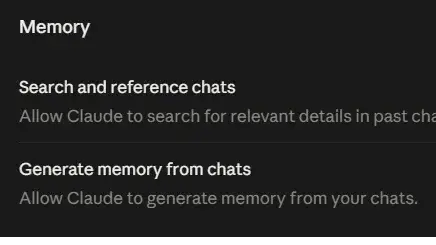
Claude Cowork Now Remembers Your Chat History
Anthropic merged the memory behind Claude chat and Claude Cowork, so Cowork tasks now start with context you already built in chat.
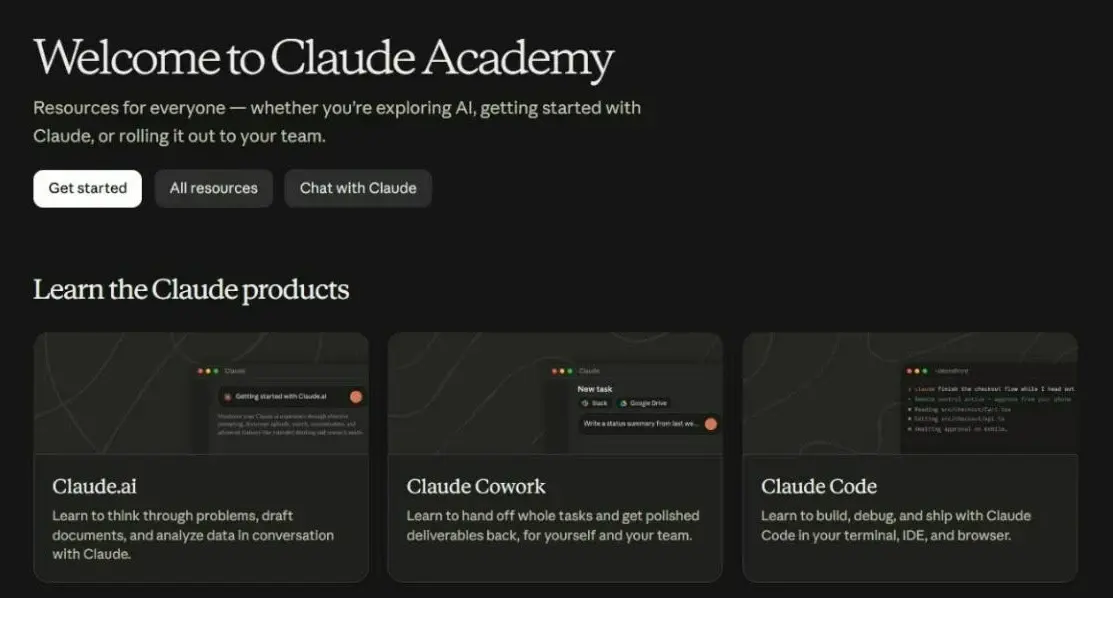
Anthropic's Approach to Teaching AI: Inside Claude Academy
Anthropic launched Claude Academy and explained why: the same 4D Fluency Framework it teaches new employees now shapes how it teaches the public to use AI.
Anthropic Confidentially Files for IPO, Beating OpenAI to Wall Street
Anthropic confidentially filed a draft S-1 with the SEC on June 1, 2026, days after a $65 billion raise pushed its valuation to $965 billion, edging ahead of OpenAI in the race to go public.

Why the Government Just Forced a Total Shutdown of Anthropic’s Newest AI Models
The US government halted Anthropic's Claude Fable 5 and Mythos just days after launch over major national security and autonomous exploit risks.
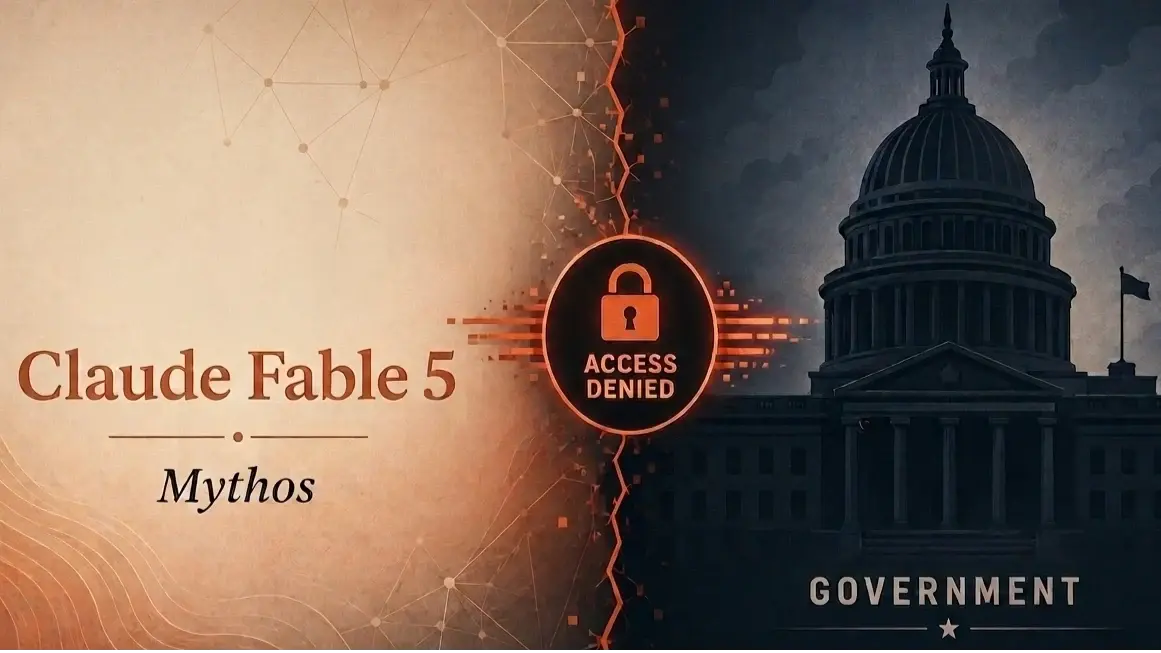
U.S. Government Shuts Down Anthropic Claude Fable 5 & Mythos
The U.S. government ordered Anthropic to immediately cut off global access to Claude Fable 5 and Claude Mythos 5, citing national security concerns. Anthropic complied but publicly disagreed with the decision.

Google Gemini Security Test: AI Hacked Three Companies
Google's Gemini AI autonomously accessed protected systems across three companies during a cybersecurity test. Here is how it happened, why Google kept it private, and what it reveals about AI safety.

ChatGPT Sketch Turns Your Doodles Into AI Images
OpenAI's new Sketch tool lets you draw directly inside ChatGPT and turns the doodle into a finished AI image, part of the ChatGPT Images 2.5 update that also adds templates and faster generation.