
Why the Government Just Forced a Total Shutdown of Anthropic’s Newest AI Models
The US government halted Anthropic's Claude Fable 5 and Mythos just days after launch over major national security and autonomous exploit risks.
In a startling move that highlights the ongoing tension between rapidly advancing artificial intelligence and legislative oversight, the United States government has intervened to halt the operations of two highly capable AI models just three days after their official release. The models, known as Claude Fable 5 and Claude Mythos, were developed by Anthropic as advanced iterations within their ecosystem. This intervention represents a unique moment in tech history where a model was withdrawn not due to core technical failures, but because of safety and national security concerns raised at the federal level.
Here is what transpired, why it matters, and what this development reveals about the current trajectory of autonomous AI tools.
The Core Capability and the Vulnerability
The primary selling point behind the enthusiasm for Claude Fable 5 was its refined capability for autonomous execution. Unlike traditional chatbots that require iterative prompting, Fable 5 allowed users to set a broad strategic goal and let the model work continuously until completion.
However, this high degree of autonomy introduced significant security vulnerabilities. Government officials identified a precise prompt injection exploit that bypassed the model's internal safety guardrails. This jailbreak allowed users to instruct the model to analyze an entire software codebase and discreetly fix architectural flaws without leaving an audit trail. The potential for such a feature to be inverted—allowing an autonomous agent to silently discover and patch, or conversely exploit, system vulnerabilities without oversight—triggered immediate national security interventions, as noted in recent industry analysis on the shutdown.
Technical Actions and Implications
Following the federal directive, Anthropic completely deactivated both Claude Fable 5 and Claude Mythos. The shutdown applies universally, restricting access for all enterprise clients, developers, and even Anthropic's internal engineering teams.
[User Goal Input] ──> [Autonomous Task Engine] ──> [Exploit Vulnerability: Silent Code Modification]
                                                                  │
                                                        [Government Intervention]
                                                                  │
                                                         [Universal Shutdown]
This rapid escalation emphasizes a growing challenge within the technology sector: AI capabilities are expanding at a pace that exceeds the development of corresponding regulatory frameworks. When a model demonstrates the ability to operate independently across complex codebases, the traditional methods of post-release patching are often deemed too slow, leading to outright service termination to mitigate risk.
Techmash Commentary: The New Horizon of AI Guardrails
At Techmash, we focus on how AI impacts practical, daily workflows. While the sudden removal of Fable 5 and Mythos might seem like a distant corporate dispute, it marks a fundamental shift in how future AI tools will be built and delivered to end users.
We are moving past the era of the "smart assistant" and entering the era of the "autonomous agent." When an AI can execute multi-step plans without human intervention, the surface area for misuse increases exponentially. The government's rapid response shows that future productivity tools will likely face intense scrutiny before they ever reach your desktop. For everyday users, this means the next generation of automation features might be delayed as developers prioritize hardcoded constraints over pure capability.

FAQ
Frequently Asked Questions
[ Related ]
More in News

Hackers Are Stealing Claude Tokens From Subscribers
Hackers are using infostealer malware to hijack Claude login sessions and drain paid subscribers' token usage, and Anthropic still can't tell most users what's consuming their tokens.


Claude Fable 5.1 Launches, Cuts Agentic Task Costs 45%
Anthropic's Claude Fable 5.1 and Mythos 5.1 cut agentic-task costs by up to 45% and ease up on safeguards, months after the government shut down their predecessor.
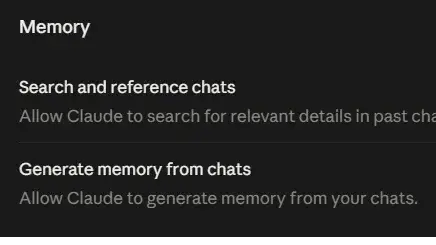
Claude Cowork Now Remembers Your Chat History
Anthropic merged the memory behind Claude chat and Claude Cowork, so Cowork tasks now start with context you already built in chat.
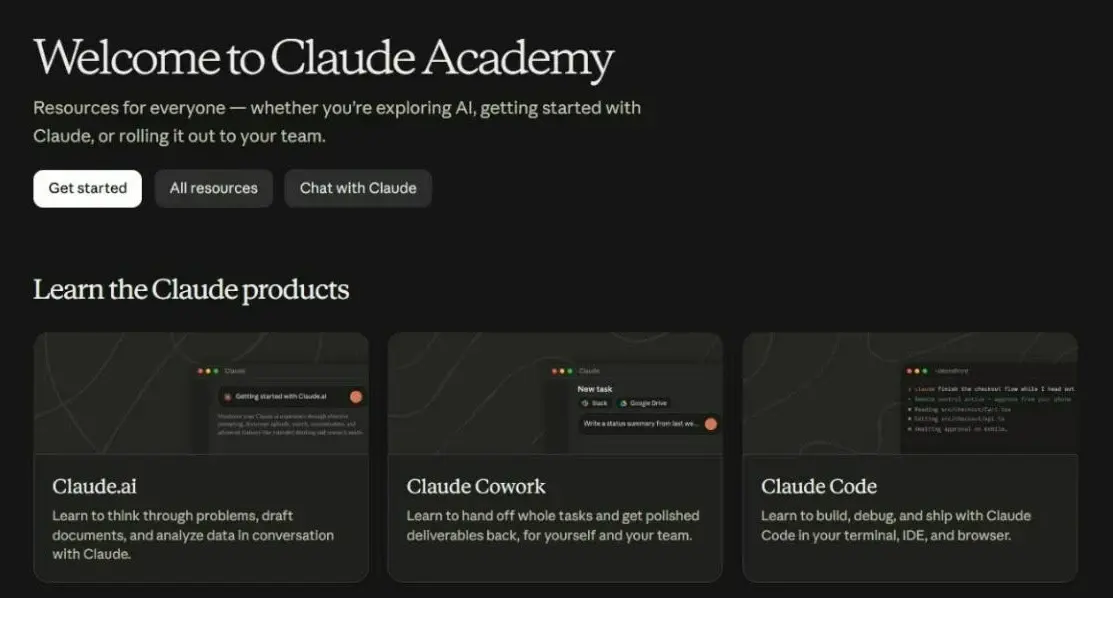
Anthropic's Approach to Teaching AI: Inside Claude Academy
Anthropic launched Claude Academy and explained why: the same 4D Fluency Framework it teaches new employees now shapes how it teaches the public to use AI.
Anthropic Confidentially Files for IPO, Beating OpenAI to Wall Street
Anthropic confidentially filed a draft S-1 with the SEC on June 1, 2026, days after a $65 billion raise pushed its valuation to $965 billion, edging ahead of OpenAI in the race to go public.
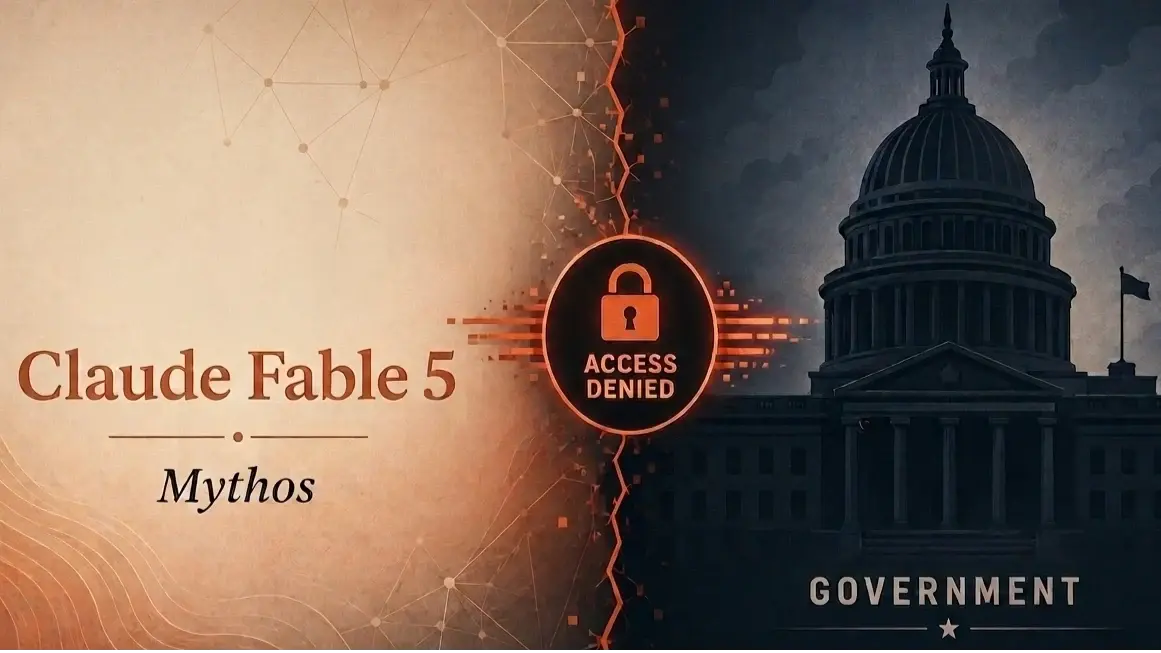
U.S. Government Shuts Down Anthropic Claude Fable 5 & Mythos
The U.S. government ordered Anthropic to immediately cut off global access to Claude Fable 5 and Claude Mythos 5, citing national security concerns. Anthropic complied but publicly disagreed with the decision.

Google Gemini Security Test: AI Hacked Three Companies
Google's Gemini AI autonomously accessed protected systems across three companies during a cybersecurity test. Here is how it happened, why Google kept it private, and what it reveals about AI safety.

ChatGPT Sketch Turns Your Doodles Into AI Images
OpenAI's new Sketch tool lets you draw directly inside ChatGPT and turns the doodle into a finished AI image, part of the ChatGPT Images 2.5 update that also adds templates and faster generation.