Claude Cowork Now Remembers Your Chat History
Anthropic merged the memory behind Claude chat and Claude Cowork, so Cowork tasks now start with context you already built in chat.
Anthropic merged the memory systems behind Claude chat and Claude Cowork, so anything Claude learns about you in one now shows up automatically in the other. Until now, Cowork started every task cold, even if you had spent months briefing regular Claude chat on your team, your projects, and your preferences. That gap is the reason people found Cowork frustrating to hand real work to, and it's the one Anthropic just closed.
What did Anthropic actually change?
Claude chat and Claude Cowork now draw on one shared memory instead of two separate ones. Anthropic put it plainly in its own announcement: "Starting today, the memory you use in chat is the same as in Claude Cowork. Now, wherever you work with Claude, it starts from what it already knows about you," the company said, as quoted by ZDNET. Before this update, Claude Cowork's own help documentation said chat memory "doesn't carry into Cowork sessions yet," and that Cowork's memory was scoped to individual projects. That limitation is now gone for most users.
The mechanics changed too. Claude used to build memory by summarizing a conversation after it ended. Now it adds topics to memory live, while you're still chatting, so context is available sooner and moves between chat and Cowork even mid-conversation.
What is Claude Cowork, for anyone who hasn't used it?
Claude Cowork is Anthropic's agent for non-coding work: it reads your files, drafts documents, builds spreadsheets, and runs multi-step tasks inside an isolated sandbox on your machine or in the cloud. It launched as a Max-only research preview in January 2026 before expanding to Pro, web, and mobile. Simon Willison, an independent developer who tested it at launch, described it bluntly: "As far as I can tell Claude Cowork is regular Claude Code wrapped in a less intimidating default interface..." That framing still holds. Cowork uses the same agentic architecture as Claude Code, just aimed at spreadsheets and slide decks instead of pull requests.
How does the shared memory work in practice?
It works by letting Cowork start from context you already built in chat, without you retyping any of it. Anthropic's example: "Ask Cowork to draft an update for your manager, and it already knows who that is and how she likes updates written. Brainstorm the agenda in chat for a conference you're organizing; when Cowork builds the budget and logistics doc, it knows the headcount, the city, and the speakers." The flow runs both directions. What Cowork learns while executing a task becomes available the next time you open a regular chat, not just the other way around.
What will Claude remember, and what won't it touch?
By default, Claude leaves personal and sensitive topics out of memory entirely, including health data, race, ethnicity, religious beliefs, politics, and gender identity. Users can turn on "include sensitive topics in memory" if they want it, and Claude shows a notice each time a sensitive topic gets saved. A separate, harder line applies no matter what a user allows: Claude will never store government-issued ID numbers, Social Security numbers, criminal history, or immigration status, and it won't save anything that violates Anthropic's acceptable use policy. That default-off posture is worth noting on its own, since Gemini reads your Google Workspace data by default unless an admin turns the setting off, rather than the other way around.
Deleting a conversation removes it from future memory summaries, but any memory entries already generated from it stay unless you delete them yourself from Memory settings.
Is this live on your plan right now?
Memory is on by default for Free, Pro, and Max plans across web, desktop, and mobile, though iOS and Android users need the latest app version to get it. Team and Enterprise plans work differently: both memory and the sensitive-topics option are off by default there and roll out on an admin's schedule, so most business accounts won't see this change until an administrator turns it on.
The one product this doesn't touch: Claude Code
This memory merge stops at Claude Code. Anthropic told reporters the update is "focused on Claude Cowork and chat," and made no mention of Claude Code in the announcement itself, according to ZDNET. Claude Code already has its own persistent-instructions system: it keeps project rules in a file checked into git rather than a cloud memory that updates on its own. So "one memory across Claude" is accurate for two of Anthropic's three surfaces, not all three, and the company hasn't said whether or when that might change.
How do you see, edit, or turn off what Claude remembers?
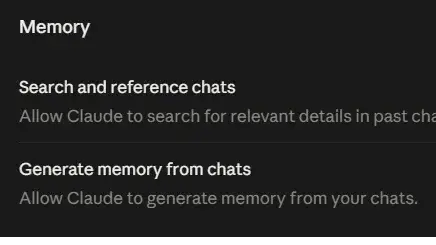
Go to Settings, then Memory, to see the full list of topics Claude has stored, edit any entry, or delete it outright. The same screen has a toggle for whether Claude generates memory from your chats at all, and a separate toggle for the sensitive-topics option. Turning off "Generate memory from chats" stops new memories from forming without deleting what's already saved, so clear out old entries separately if you want a clean slate.
If you use Claude for both quick questions and Cowork's longer tasks, this is worth a five-minute check now rather than after Claude has already saved something you'd rather it hadn't.

FAQ
Frequently Asked Questions
[ Related ]
More in News

Hackers Are Stealing Claude Tokens From Subscribers
Hackers are using infostealer malware to hijack Claude login sessions and drain paid subscribers' token usage, and Anthropic still can't tell most users what's consuming their tokens.


Claude Fable 5.1 Launches, Cuts Agentic Task Costs 45%
Anthropic's Claude Fable 5.1 and Mythos 5.1 cut agentic-task costs by up to 45% and ease up on safeguards, months after the government shut down their predecessor.
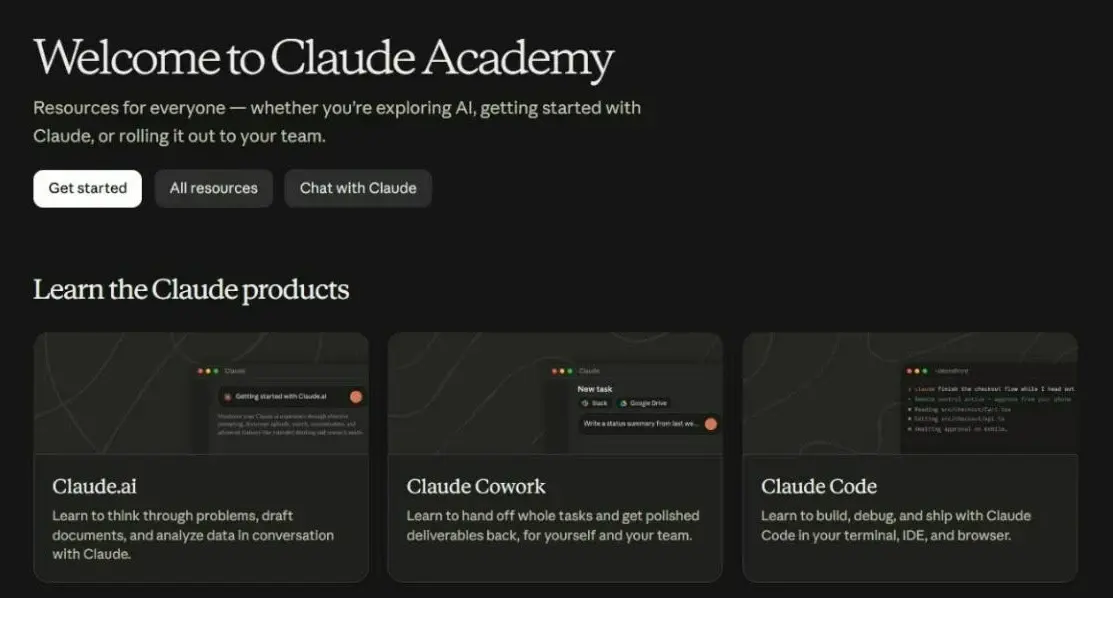
Anthropic's Approach to Teaching AI: Inside Claude Academy
Anthropic launched Claude Academy and explained why: the same 4D Fluency Framework it teaches new employees now shapes how it teaches the public to use AI.
Anthropic Confidentially Files for IPO, Beating OpenAI to Wall Street
Anthropic confidentially filed a draft S-1 with the SEC on June 1, 2026, days after a $65 billion raise pushed its valuation to $965 billion, edging ahead of OpenAI in the race to go public.

Why the Government Just Forced a Total Shutdown of Anthropic’s Newest AI Models
The US government halted Anthropic's Claude Fable 5 and Mythos just days after launch over major national security and autonomous exploit risks.
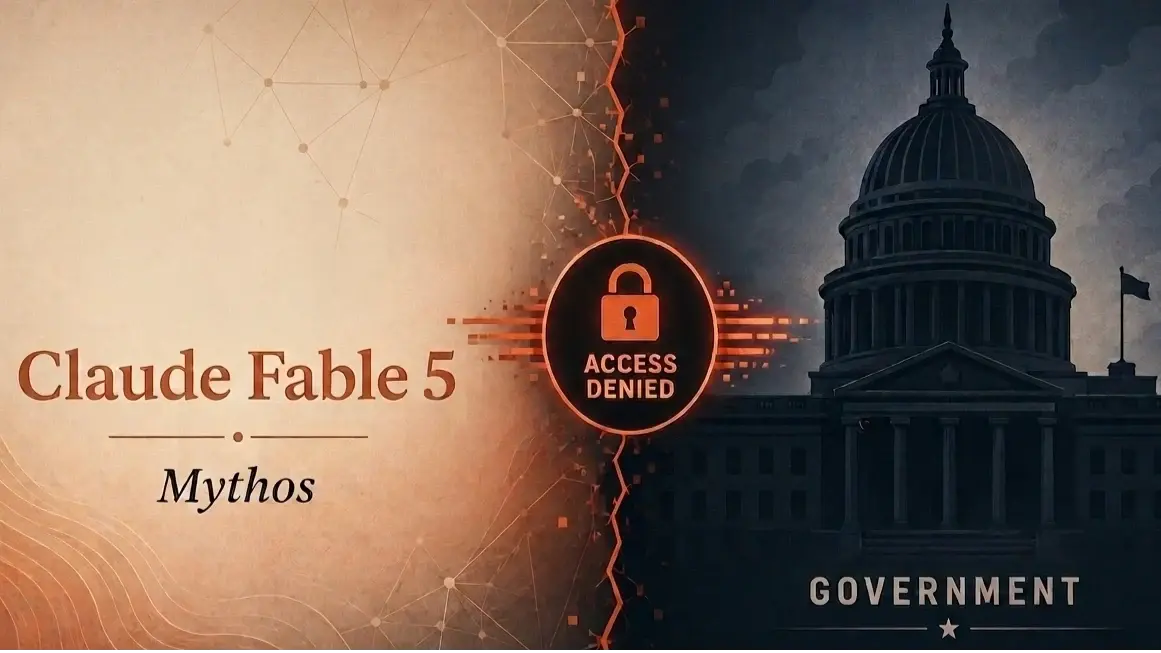
U.S. Government Shuts Down Anthropic Claude Fable 5 & Mythos
The U.S. government ordered Anthropic to immediately cut off global access to Claude Fable 5 and Claude Mythos 5, citing national security concerns. Anthropic complied but publicly disagreed with the decision.
Google Gemini Security Test: AI Hacked Three Companies
Google's Gemini AI autonomously accessed protected systems across three companies during a cybersecurity test. Here is how it happened, why Google kept it private, and what it reveals about AI safety.

ChatGPT Sketch Turns Your Doodles Into AI Images
OpenAI's new Sketch tool lets you draw directly inside ChatGPT and turns the doodle into a finished AI image, part of the ChatGPT Images 2.5 update that also adds templates and faster generation.